
Big news in the tech world OpenAI Launches Sora 2, and everyone’s talking about it!
On September 30, 2025, OpenAI revealed this exciting new upgrade, shaking up the AI video generation AI scene.
The global launch grabbed attention from creators, journalists, teachers, and marketers basically anyone who’s ever dreamed of making videos without expensive cameras. When OpenAI Launches Sora 2, they open a new door for imagination.
This upgrade isn’t just about speed or visuals; it’s about power and responsibility. It introduces an OpenAI bias evaluation system to make sure videos are fair and safe, and it adds features that make the tool smarter, faster, and more ethical. It’s the kind of OpenAI innovation 2025 that proves AI isn’t slowing down it’s growing up.
So, why all the fuss about Sora 2? Let’s take a simple, step-by-step look at what makes it so special.
What Is Sora 2?
Let’s break it down like a bedtime story: OpenAI Launches Sora 2, a brand-new next-gen AI video generator that turns your written ideas into real-life clips complete with sound, motion, and emotion. You write, “a puppy chasing bubbles at sunset,” and boom, you get a moving video that looks like it was filmed with a professional camera.
Sora 2 builds directly on the first version of OpenAI’s text-to-video update, adding realistic motion, improved lighting, and better understanding of physics meaning characters walk naturally, balls bounce correctly, and water splashes like it should. It’s like the difference between watching an old cartoon and seeing a movie in 4K.
In short, OpenAI Sora 2 features include faster rendering, advanced camera control, and better storytelling tools things that make creative dreams come alive. This AI video creation technology is designed for both fun and serious work: teachers explaining science, kids making animations, or filmmakers sketching storyboards.
If you’ve ever seen an OpenAI Sora demo, you know it’s more than software, it’s an imagination machine. With OpenAI video generation AI, words aren’t just words anymore; they’re a path to moving pictures.
Want to see another major AI milestone? Check out our related article on GPT-5: A New Chapter in the AI World it pairs perfectly with this story.
Key Features and Upgrades: What’s New in Sora 2
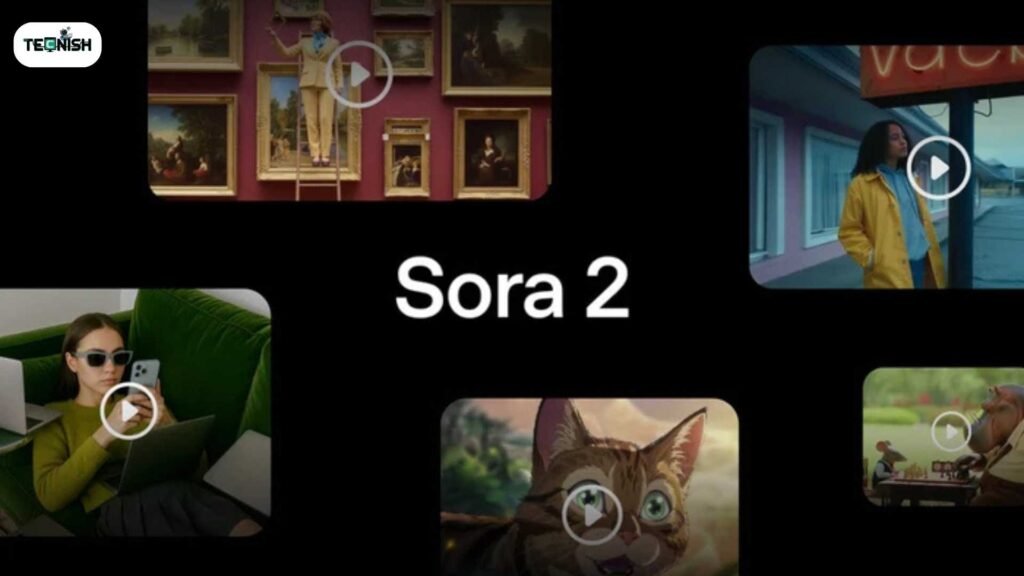
Now, let’s talk about what’s new the upgrades that make OpenAI Launches Sora 2 the biggest AI headline of 2025.
1. Realistic Text-to-Video Generation
The first and most loved of all OpenAI Sora 2 AI improvements is realism. You type a story; Sora 2 paints it in motion. Think smooth waves, glowing sunsets, or characters running with perfect rhythm. The system understands how objects move in real life no more strange teleporting or floating limbs.
2. Enhanced Rendering Speed
In the first version, waiting for a video to process could take forever. With Sora 2, rendering is up to 3× faster. That means creators spend less time watching loading bars and more time making magic. This is a huge leap for anyone using AI video generator 2025 tools for professional or school projects.
3. Advanced Scene and Motion Understanding
Ever wanted a camera pan or zoom? Sora 2 nails it. It understands multiple angles, scene changes, and dynamic motion. It’s like having a mini director built into your computer.
4. Integrated Bias Evaluation System
Every OpenAI innovation 2025 brings smarter, safer technology and Sora 2 continues that trend. Its built-in OpenAI bias evaluation system and OpenAI bias detection framework review generated content to limit unfair or unsafe results. It’s OpenAI’s way of promoting ethical AI in video creation, making sure the fun doesn’t turn harmful.
5. Accessibility and Creative Control
Accessibility is where OpenAI Sora 2 features truly shine. You can adjust video length, add voice, or use “Cameo Mode” to appear in your own video perfect for teachers, creators, or students who want a personal touch. It’s like being the star and director at once.
Together, these features prove that OpenAI Launches Sora 2 isn’t just a software update, it’s a full-on revolution in AI video creation technology.
For more insights on modern software leaps, browse the Tech Blogs section we regularly cover similar innovations reshaping creativity and AI.
The Bias Evaluation System: Making AI More Fair
Now here’s something you don’t always hear in tech news fairness. One of the standout OpenAI Sora 2 AI improvements is the bias evaluation system.
When OpenAI Launches Sora 2, they didn’t just focus on pretty visuals. They built in safety layers the OpenAI bias evaluation system checks videos before they’re shared to detect biased or inappropriate content. That means fewer harmful stereotypes, better diversity, and safer use for kids and creators alike.
This is part of OpenAI’s larger OpenAI bias detection framework, a toolset that studies how AI might behave unfairly and adjusts it before it reaches users. It’s like a friendly teacher correcting your work before you show it to the class.
Why is this important? Because ethical AI in video creation matters. As AI video generator 2025 tools get more powerful, we must ensure they’re used responsibly. Sora 2 tries to do that by blending creativity with conscience.
The system also includes provenance tracking tiny watermarks, and metadata that help identify AI-generated clips. That transparency helps prevent misuse and builds trust in the future of AI video generation.
So, when OpenAI Launches Sora 2, they’re not just sharing new tech they’re teaching the world how to create responsibly.
If you’re interested in how other tech giants handle AI ethics, read our piece on Microsoft launching new AI upgrades to Windows 11 Copilot it complements this discussion perfectly.
Sora 2 vs Sora 1: Key Differences
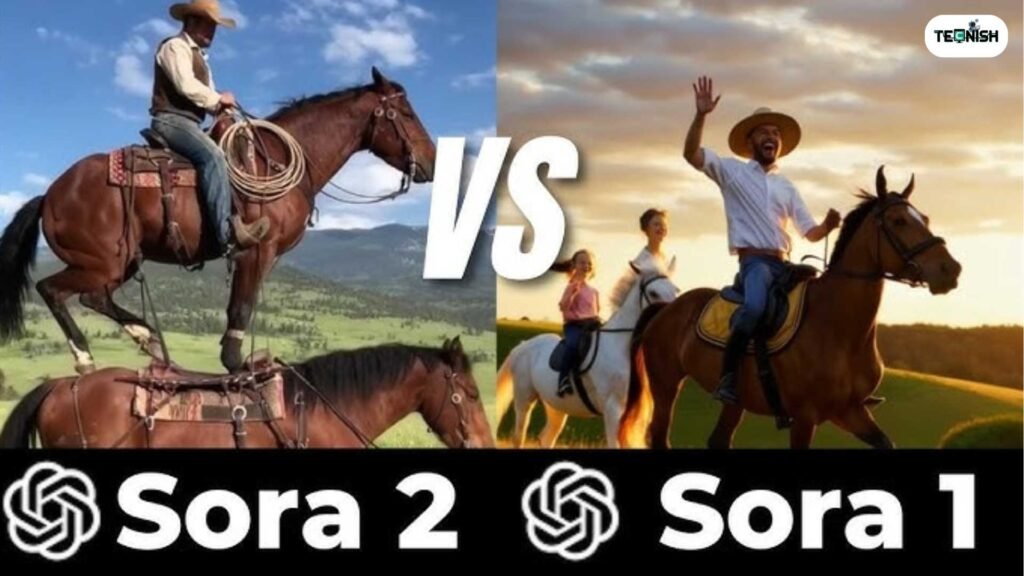
When OpenAI Launches Sora 2, one of the biggest questions people ask is how does it compare to the first version. Let’s take a clear look at the Sora 2 vs Sora 1 comparison so you can see how far we’ve come in the AI video creation technology race.
| Feature | Sora 1 | Sora 2 |
| Video realism | Basic visuals with limited physics | Ultra-realistic motion, lighting, and texture details |
| Audio sync | No built-in sound | Perfect sound, speech, and background sync |
| Scene control | Short single-shot clips | Multi-scene, storyboard-based videos |
| Rendering speed | Slower, limited editing | 3× faster processing and editing tools |
| Safety tools | Minimal bias detection | Built-in OpenAI bias evaluation system for fair results |
If you are still confused, then read the Skywork.AI latest article about Sora 2 vs Sora 1.
Sora 2 doesn’t just fix flaws it evolves them. The newer version adds OpenAI Sora 2 AI improvements like scene-to-scene consistency, natural physics, and ethical safety frameworks. That’s why it’s being called the next-gen AI video generator by the tech community.
According to experts on Tecnish Tech Blogs, Sora 2’s improved workflow might even help small studios and marketing teams produce near-cinematic quality content without needing huge budgets.
So, when we talk about OpenAI Launches Sora 2, we’re really talking about a bridge between innovation and imagination, one that’s setting a new standard for AI video generator 2025 platforms.
Impact on the AI Video Industry
Now that we know the differences, let’s talk about how OpenAI Launches Sora 2 changes the creative world.
This model could reshape entire industries:
- For content creators: Faster storytelling, more realistic visuals, and simpler editing.
- For marketers: They can now test ads and product videos instantly, cutting production costs dramatically.
- For filmmakers: Early storyboarding and scene pre-visualization just got easier.
Industry analysts call it the “GPT moment for video,” similar to when GPT-4 revolutionized text. As AI video generator 2025 tools like Sora 2 mature, they’ll push the limits of how we define creativity.
But there’s also a flip side ethical questions around deepfakes, representation, and AI bias. That’s why OpenAI is using its OpenAI bias detection framework to make sure Sora 2 doesn’t promote unfair or unsafe visuals. It’s part of the company’s larger mission toward ethical AI in video creation.
Want to dive deeper into AI’s impact on media and culture? Check out our exclusive piece on GPT-5: A New Chapter in the AI World it explores how innovations like Sora 2 are shaping the creative future.
In short, OpenAI video generation AI tools like Sora 2 are creating opportunities for everyone from classroom educators to professional editors and they’re redefining how we see moving pictures.
Availability and Access
So, how can you actually get your hands on Sora 2?
When OpenAI Launches Sora 2, it started with limited access in the U.S. and Canada, with expansion planned for Asia and Europe. Early users can test Sora through the OpenAI Sora App (available on iOS) or via the company’s website.
According to sources cited by Tecnish Tech News, OpenAI video generation AI will soon be integrated into the main OpenAI API, allowing developers and content platforms to build creative tools directly on top of Sora 2.
Creators using the Pro version can generate up to 25-second videos, while standard users get 15-second clips an exciting step forward for anyone exploring AI video creation technology.
As global rollout continues, OpenAI aims to extend support to developers in Asia and Europe meaning that soon, even local creators in Bangladesh, India, and Japan could use OpenAI Sora 2 features for regional storytelling.
If you’re eager to stay updated on new releases like this, follow the Tecnish homepage we cover every major AI update as it happens.
Public and Industry Reactions
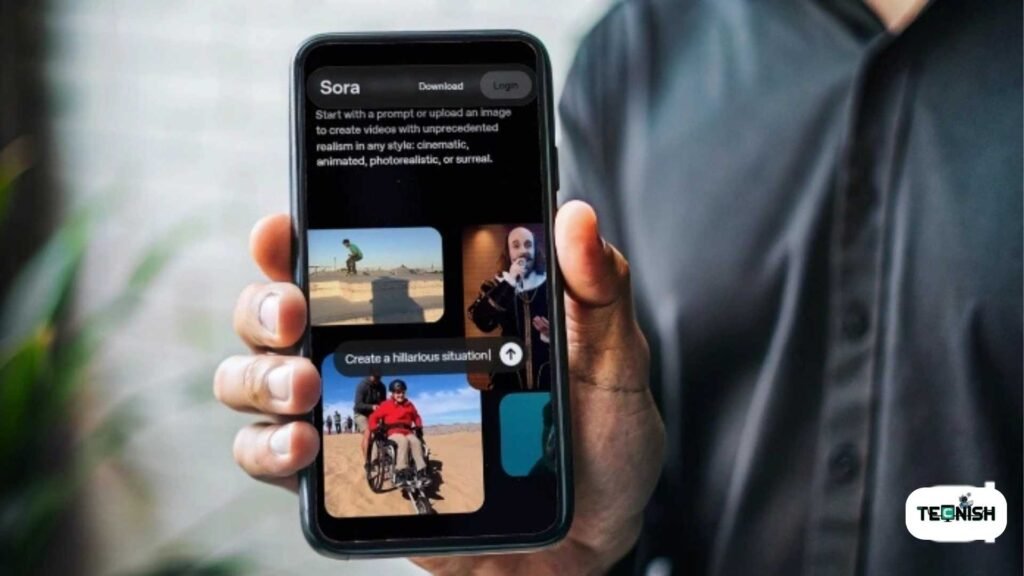
When OpenAI Launches Sora 2, the internet goes wild and rightly so. Within days of its announcement, the OpenAI Sora demo became one of the most-viewed clips on social platforms. The hashtag #Sora2 trended across X (Twitter), TikTok, and YouTube.
Here’s what people are saying:
- Creators: “It’s like magic! You write words and get a movie!”
- Developers: “Finally, a usable AI tool with real-time editing.”
- Ethicists: “Great innovation, but let’s keep an eye on misuse.”
Tech experts featured on Tecnish note that while users love the realism and storytelling freedom, concerns remain about data ethics, licensing, and AI bias issues OpenAI is tackling through its OpenAI bias evaluation system and new watermarking techniques.
Interestingly, even competing tech companies are praising the move. Microsoft, for instance, is improving its own Copilot with smarter creative tools you can read more about it in our companion story: Microsoft Launches New AI Upgrades to Windows 11 Copilot.
This balance of excitement and caution shows that OpenAI Launches Sora 2 is not just another update it’s a cultural moment in AI video generator 2025 innovation.
The Future of AI Video Creation
Looking ahead, the future of AI video generation feels limitless.
When OpenAI Launches Sora 2, it signals that we’re only scratching the surface of what AI can do for storytelling.
The surge of AI video editors in 2025 isn’t just about speeding up the editing process. It’s also about changing the way content is created altogether. Read the Metricool article about this topic.
Imagine a world where students make documentaries from essays, or newsrooms instantly visualize breaking stories. That’s the direction this next-gen AI video generator is headed.
Experts predict that Sora 3, the next upgrade, might include real-time video synthesis, voice cloning for narration, and cross-platform app integration. Combined with the lessons learned from the OpenAI bias detection framework, it could become the safest and most flexible AI tool yet.
And OpenAI isn’t alone from GPT-5 to Copilot updates, the entire AI ecosystem is moving toward responsible creativity. These advancements reinforce OpenAI’s vision for ethical AI in video creation, where innovation always walks hand in hand with accountability.
For continuing updates on OpenAI innovation 2025 and beyond, keep checking our Tech Blogs section we break down every major release in easy language, just like this one.
Regional Relevance: Asia and Europe
As OpenAI Launches Sora 2 globally, Asian and European creators are eager to experiment. In Bangladesh, India, and Japan, AI tools like Sora 2 help storytellers produce localized content in their own languages, turning text ideas into visual stories with ease.
Impact on Local Creators and Tech Industries
In Asia’s rapidly growing tech scene, AI video creation technology is becoming a game-changer. From TikTok ads to educational videos, OpenAI Sora 2 features let users generate content faster than ever. Startups are already testing the model for marketing and film pre-production.
For regional insights into AI and digital tools, browse our latest Tech Blogs on Tecnish we break down complex topics in simple language.
How Global Markets Are Adapting
European regulators are setting clearer rules for AI usage, especially around deepfakes and media ethics. Japan has already asked OpenAI to protect anime and manga rights as the future of AI video generation continues to grow.
The global shift toward ethical AI in video creation shows how Sora 2 is inspiring serious conversations about responsibility in the digital age.
Conclusion
When OpenAI Launches Sora 2, it’s not just a new app it’s a milestone in the story of creativity and technology.
We saw how its powerful OpenAI Sora 2 features transform text into lifelike videos, how its OpenAI bias evaluation system keeps content fair, and how its speed and realism redefine the AI video generator 2025 landscape.
From teachers and marketers to young students and designers, anyone can now bring stories to life without a camera just by typing words.
Yet the most important lesson from Sora 2 is about balance: creativity with conscience, innovation with ethics.
As we look ahead to Sora 3 and the next wave of OpenAI innovation 2025, one thing is clear AI is not here to replace creators but to empower them.
For more stories like this, follow Tecnish your trusted hub for AI breakthroughs, tech updates, and creative future insights.
FAQs About OpenAI Sora 2
1. What is OpenAI Sora 2 used for?
OpenAI Sora 2 is an advanced AI video generator 2025 tool that turns text into moving videos. You can write, “a bird flying across a rainbow sky,” and watch it come alive on screen. It’s perfect for creators, students, educators, and marketers.
For more such updates on cutting-edge tech tools, explore Tecnish Tech News where we cover trending innovations daily.
2. How is Sora 2 different from Sora 1?
The biggest leap in the Sora 2 vs Sora 1 comparison lies in realism and control.
Sora 2 supports better motion physics, longer clips, and synchronized audio. It’s also powered by OpenAI’s new bias evaluation system, ensuring fairer and safer outputs.
In short, Sora 2 feels professional, while the first version felt like a cool experiment.
3. Does Sora 2 include a bias detection system?
Yes OpenAI built both a bias evaluation system and an OpenAI bias detection framework inside Sora 2. These systems review AI outputs for unfair or unsafe representations, supporting ethical AI in video creation.
If you’re curious about how these frameworks influence other AI products, check our related feature: GPT-5 – A New Chapter in the AI World.
4. Can developers access Sora 2?
Developers can use Sora 2 through the OpenAI API, the Sora App (iOS and web), and soon on Android. Access is rolling out gradually, with professional tiers offering more creative tools.
To learn about similar ecosystem upgrades, see how Microsoft expanded Copilot in our article: Microsoft Launches New AI Upgrades to Windows 11 Copilot.
5. When will Sora 2 be available globally?
At launch, Sora 2 was limited to North America, but OpenAI plans to expand it to Asia, Europe, and South America in 2026. Once fully released, users worldwide can explore the power of OpenAI video generation AI without regional limits.
Stay updated with rollout details by visiting the Tecnish we track every OpenAI innovation 2025 release in real time.
Please don’t forget to leave a review.