


A New Era of Intelligent Healthcare
Picture this: a radiologist spots a microscopic tumor in seconds — something that once took hours or might have gone unnoticed. The great AI and robotics takeover across the world, a surgeon performs a delicate heart operation with robotic precision, guided by artificial intelligence.
This isn’t science fiction anymore — it’s the new reality of modern medicine, powered by AI and robotics.
AI brings the power of data-driven intelligence, learning from millions of medical records, images, and genetic patterns to assist clinicians in making faster, smarter decisions. Robotics adds unmatched precision, steadiness, and control, enabling complex procedures with minimal error.
Together, they’re reshaping healthcare delivery — enhancing accuracy, accelerating diagnosis, and personalizing treatment at a scale once thought impossible.
This fusion of human expertise and intelligent automation marks the beginning of a truly connected and compassionate healthcare revolution.
AI-Powered Diagnostics and Predictive Analytics
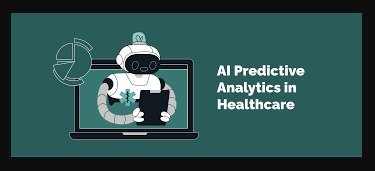
AI is reshaping how clinicians detect, diagnose, and anticipate disease. Leveraging machine learning, deep learning, and predictive analytics, modern systems accelerate decision-making and surface insights that were previously hidden in complex clinical data.
Revolutionizing Medical Imaging with Deep Learning
Deep learning — a subclass of machine learning — has transformed radiology and pathology. Models trained on thousands of X-rays, MRIs, and CT scans can flag subtle anomalies in seconds, augmenting radiologists’ workflow and improving diagnostic throughput.
- In breast cancer screening, some AI diagnostic tools have reported up to 94% accuracy, compared with an average of 88% for human readers.
- Research indicates AI can reduce false negatives by nearly 30%, lowering the risk of missed diagnoses and delayed treatment.
- Platforms such as Google DeepMind and Siemens Healthineers’ USA AI-Rad Companion are accelerating detection timelines — turning multi-day review cycles into minute-level triage.
For patients this means earlier treatment and better outcomes; for clinicians, AI acts as a tireless, second reader that prioritizes cases needing urgent attention.
Personalizing Treatment with Genomics and Precision Medicine
How Are AI and Robotics Taking Over Beyond Expectations? AI goes beyond detection — it helps tailor therapy. By integrating genomic profiles, protein biomarkers, and clinical history, AI supports precision medicine workflows that match treatments to an individual’s biology.
- In precision oncology, systems such as IBM Watson for Oncology analyze tumor mutations and suggest targeted drug options.
- Pharmacogenomic models predict how a patient will metabolize a drug, helping clinicians choose safer, more effective dosing and avoid adverse reactions.
- Early evidence from clinical trials shows that AI-guided chemotherapy planning can reduce side effects by roughly 20% while improving treatment precision.
These capabilities shift care from one-size-fits-all protocols to truly personalized regimens informed by data.
Predicting Illness Before It Happens
Predictive analytics moves healthcare from reactive to proactive. By combining EHR data, continuous streams from wearables, and real-time monitoring, AI models can forecast deterioration and trigger early interventions.
- For example, DeepMind has demonstrated models that predict acute kidney injury up to 48 hours before clinical signs emerge.
- AI-driven sepsis prediction tools provide early alerts in ICUs, often hours before patients meet clinical thresholds.
- Automated screening for diabetic retinopathy detects retinal damage early, enabling timely treatment and preventing vision loss.
In practice, these systems provide clinicians with advanced warnings and decision support while preserving the clinician as the final arbiter — a practical human-in-the-loop safety model.
Short clinical vignette (optional to include)
A community hospital uses AI triage to prioritize mammograms flagged as high-risk; radiologists review prioritized cases first, enabling faster biopsy scheduling and reducing time-to-treatment for patients with malignant findings.
Robotics: Precision, Dexterity, and Healing Beyond Human Limits
From Steady Hands to Surgical Mastery
Robotic systems have become indispensable allies in modern surgery. Devices like the da Vinci Surgical System give surgeons 3D vision, enhanced control, and micro-level precision.
- Over 10 million procedures have been performed using the da Vinci platform worldwide.
- Patients experience 50% less blood loss, shorter hospital stays, and faster recovery.
- In neurosurgery, robotic arms perform tasks impossible for human hands — navigating complex brain tissue with millimeter accuracy.
Here, technology amplifies human capability rather than replacing it — a seamless partnership between surgeon and machine.
Revolutionizing Rehabilitation with Robotics and Exoskeletons
After a stroke, spinal injury, or limb trauma, robotic exoskeletons are helping patients walk again.
Systems like Lokomat and ReWalk Robotics guide natural gait patterns, adjusting movement in real time.
- Patients show up to 40% faster mobility improvement compared to traditional therapy.
- Robots deliver repetitive, precise movement — a key factor in neural recovery — while reducing therapist fatigue.
In short, rehabilitation robotics bring hope, consistency, and independence to those rebuilding their lives.
Autonomous Surgical Systems: The Next Frontier
The next wave is autonomous or semi-autonomous surgery, where AI-driven robots can perform select tasks under human supervision.
Early models can suture tissue, perform laparoscopic maneuvers, and even respond to environmental changes. Trials show error rates under 5%, signaling enormous potential.
Combined with telepresence surgery, these systems enable global access — allowing top specialists to operate remotely in underserved areas.
While human oversight remains essential, autonomy in robotics could help bridge the global surgeon shortage in the coming decade.
Streamlining Hospital Operations with AI and Automation

Robotic Process Automation (RPA) for Administrative Efficiency
Beyond clinical care, Robotic Process Automation (RPA) is transforming hospital administration. Tools like UiPath automate repetitive tasks — from insurance claim verification to supply chain management.
- Claim errors drop by up to 90%, reducing costly rework.
- Predictive inventory management ensures medications and critical supplies are always available.
- Hospitals save thousands of administrative hours annually, allowing staff to focus on patient care.
RPA acts as an invisible workforce, keeping healthcare systems efficient, reliable, and patient-centered.
Predictive Scheduling and Patient Flow Optimization
AI-driven resource planning enables hospitals to operate like clockwork.
- Predictive algorithms optimize operating room schedules, cutting delays and idle time.
- ER triage systems intelligently route patients to available beds, reducing wait times by 25%.
- One hospital network reported a 15% improvement in patient throughput using AI-guided staffing.
By letting data guide operational decisions, hospitals become faster, calmer, and more humane — improving care delivery for every patient.
Smarter Clinical Documentation with NLP
Doctors spend countless hours on paperwork — time that could be spent with patients. Natural Language Processing (NLP) solutions like Nuance Dragon Medical One automate the extraction of structured data from unstructured notes with 95% accuracy.
This reduces burnout, ensures accurate billing, and enhances EHR usability. Clinicians reclaim time for what matters most: direct patient care, while hospitals enjoy smoother, error-free operations.
Remote Patient Monitoring and Virtual Care
Connected Care Through Wearables and IoT Devices
The rise of remote patient monitoring (RPM) and the Internet of Medical Things (IoMT) is transforming how healthcare providers track and manage patient health.
AI systems continuously analyze data from wearable devices — heart rate sensors, glucose monitors, and smartwatches — detecting early warning signs long before symptoms appear. AI-enhanced ECG monitors now predict arrhythmias with up to 98% accuracy, while IoT-based fall detection and smart medication reminders empower elderly patients to live independently.
This seamless fusion of AI and IoT analytics enables proactive, real-time healthcare — anywhere, anytime.
Conversational AI and Digital Health Assistants
AI-powered chatbots and virtual health assistants are redefining patient engagement. They triage symptoms, schedule appointments, and handle routine queries around the clock. Platforms like Babylon Health now automate up to 70% of user interactions, escalating complex cases to clinicians only when needed.
These digital assistants also feed pre-consultation data directly into electronic health record (EHR) systems, streamlining clinical workflows and improving response times. By combining accessibility with clinical intelligence, conversational AI reduces the burden on healthcare staff while maintaining human oversight and empathy.
Safeguarding Data Integrity and Security
As virtual care expands, cybersecurity and data integrity have become the bedrock of digital healthcare transformation.
AI-based intrusion detection systems continuously monitor for unusual access patterns, while blockchain Technology frameworks guarantee transparent, tamper-proof data sharing between institutions. Secure APIs and encryption protocols ensure data interoperability without compromising privacy.
By maintaining strict compliance with HIPAA and GDPR, healthcare organizations preserve patient trust — proving that security isn’t optional; it’s essential.
Ethical and Regulatory Pathways to Responsible AI Adoption
Eliminating Algorithmic Bias
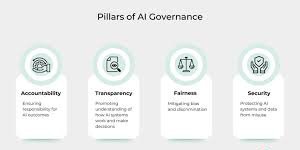
AI is only as fair as the data it learns from. When algorithms are trained on biased or incomplete datasets, they risk reinforcing healthcare inequalities rather than resolving them.
To ensure fairness and inclusivity:
- Datasets must reflect diverse populations across gender, ethnicity, and geography.
- Continuous bias audits and cross-demographic validation should be standard practice.
- Regulatory bodies like the FDA and WHO are promoting greater transparency and equity in AI-driven systems.
Ethical AI in healthcare means that innovation benefits everyone — not just a privileged few.
Navigating FDA and Global Regulatory Standards
AI-based medical technologies fall under the FDA’s Software as a Medical Device (SaMD) framework. Developers must demonstrate safety, transparency, and clinical validation before these tools can be approved for real-world use.
Globally, parallel frameworks — such as the EU Medical Device Regulation (MDR) and ISO standards for software validation — aim to harmonize trust in digital medicine. These evolving regulations balance innovation with patient safety, ensuring that progress never outpaces responsibility.
Building Trust Between Clinicians, Patients, and Machines
Technology, when used wisely, can enhance empathy rather than replace it. As Dr. Eric Topol notes, “AI frees us to connect deeper with patients.”
Training clinicians to interpret and question AI outputs builds confidence, while clear communication reassures patients that humans remain in control. This human-in-the-loop approach ensures that compassion and intelligence move hand in hand.
Trust, transparency, and teamwork — that’s the true formula for responsible AI adoption in healthcare.
Conclusion: Where Intelligence Meets Compassion
The AI and robotics revolution isn’t about replacing doctors or nurses — it’s about amplifying human skill through intelligent automation, transforming every stage of care from diagnosis to recovery.
From AI-powered diagnostics that detect diseases earlier to robot-assisted surgeries that deliver precision beyond human capability, and wearable gadgets and technologies that continuously monitor patient health in real time — intelligent automation is building a healthcare system that’s faster, fairer, and deeply personal.
Key Takeaways
- Adopt AI-driven diagnostics to detect diseases earlier and deliver personalized treatments.
- Integrate medical robotics to improve surgical precision and rehabilitation outcomes.
- Champion ethical, secure AI to ensure trust, transparency, and equitable access for all.
The seamless fusion of AI, robotics, and human compassion promises not just better healthcare — but a healthier, more connected humanity.
Because the revolution in medicine isn’t coming — it’s already here.
FAQs: The Great AI and Robotics Takeover
1. How are AI and robotics changing the future of medicine?
AI and robotics are improving diagnosis accuracy, surgical precision, and patient outcomes by combining data-driven intelligence with automation.
2. What are the biggest benefits of AI in healthcare?
AI helps detect diseases earlier, personalize treatment plans, and automate medical workflows, saving time and reducing human error.
3. Will robots replace doctors and nurses in the future?
No, robots won’t replace humans — they assist medical professionals by performing repetitive or high-precision tasks, enhancing efficiency and care quality.
4. How do AI-powered diagnostics improve patient outcomes?
AI tools analyze medical images and data faster and more accurately, helping doctors make quicker, better-informed treatment decisions.
5. Is AI in healthcare safe and ethical?
Yes, when regulated properly. Ethical AI use follows strict standards for data security, fairness, and transparency to protect patients’ trust and safety.
- About The Author
Written by Mamun Khan — a full-stack digital marketer and tech writer passionate about exploring how AI, robotics, and innovation are transforming industries.
When he’s not decoding algorithms or healthcare tech trends, he’s helping brands grow smarter online. Read more of his insights at Tecnish.com.